
5 Simple Steps to Prepare for Buying a House in Pittsburgh, Pa
Thinking about buying a house in the Pittsburgh, Pa area? The number of people who want to own a home but never actually do because they do not know where to start is surprising. Here are 5 simple steps you can take to get yourself started on your journey to homeownership.
- Check your credit.
- Evaluate your savings.
- Understand Debt to Income Ratios
- Get Pre-Approved
- Hire a Real Estate Professional
Here is an in-depth breakdown of those steps and some resources available to assist you further:
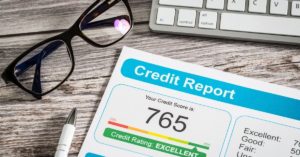
Step 1: Review Your Credit Report and Credit Score
Before can get started with buying a house, you will need to know where your credit stands. Checking your own credit does not impact your credit score. There are plenty of online credit monitoring companies that provide access to credit information to consumers. Discover Scorecard provides a free copy of your credit report and FICO credit score. You can access an updated credit report and score every 30 days by signing up with the service. Services like Credit Karma provide a free credit report and Vantage credit score. It’s important to know the difference. Mortgage lenders use the FICO score model, not the Vantage scoring system. Make sure that you are tracking the right score.
There is a common misconception that you must pay off any existing credit cards when buying a home. It is possible to fulfill your goal of buying a house with credit card debt. However, any existing credit card does impact your debt to income ratio which we will discuss later.
In most cases, any account listed as a collection item will need to be paid off and all other accounts will need to be in good standing. Check with a lender to confirm their requirements to qualify for a loan. If you discover inaccurate items on your credit, dispute those items with the credit bureau. If your goal is to eliminate some or all of your credit card debt prior to purchasing a home, create a plan to pay it off. You may want to start by paying off the lowest balances first then moving onto the larger balances.
Credit Repair and Financial Literacy Assistance
There are local agencies here in the City of Pittsburgh that assist people who are interested in buying a house repair their credit and prepare for homeownership. Mon Valley Initiative provides credit counseling services and can help you determine if homeownership is right for you. There you can meet with a financial consultant who will review your employment, income, debt, and resources. The financial consultant can also help you develop a plan to work on improving your credit so you can prepare for buying a house.
Also, the Urban League of Greater Pittsburgh offers an 8-hour course and one-on-one credit counseling sessions to help improve financial literacy, develop systems for budgeting, and credit restoration.
Step 2: Evaluate Your Savings
Buying a house comes with making some sacrifices but it can be done. You may have to put off buying that new car or TV you want for now. The costs associated with a home purchase extend beyond the sales price of the home. Here are some of the additional fees you may be required to pay.
a. Downpayment
You may need to make a down payment when buying a house. The amount of your down payment can range anywhere from 0% to 20%, depending on your loan type. Veterans may be eligible for a VA loan which requires little to no downpayment. FHA loan products have a required minimum down payment of 3.5%. Conventional loan down payment amounts can be as much as 20%. Check with your lender to confirm the amount of your downpayment.
If you are a first-time homebuyer, First Commonwealth Bank has the First At-Home Program which offers down payments as low as 1% that is available in Pittsburgh. Check with First Commonwealth bank for more information on how to qualify. You also check with other local lenders in the area for any special programs.
b. Credit Application and Appraisal Fees
Now that the seller has accepted your offer you will need to contact your lender to apply for a mortgage. Your lender will charge you a fee to obtain a copy of your credit report and the appraisal fee. The lender will review your credit for information on your current debts, payment history, minimum monthly payments on accounts, and any delinquencies. The lender will also request financial documents such as tax returns.
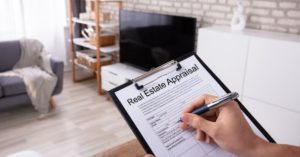
An appraisal is an unbiased professional opinion of a home’s value. The appraisal will be completed by a qualified appraiser who will perform a visual inspection of the property, research comparable properties in the area, current market trends, and amenities of the home to determine the home’s value.
c. Earnest Money
Buyers should have funds available to offer as a good-faith or earnest money deposit. A good-faith or earnest money deposit is money that a buyer pays to the seller when the seller accepts the buyers’ offer. The good faith deposit demonstrates the seriousness of the buyers’ intent to purchase the home. Furthermore, since the seller is taking the home off the market to allow the buyer time to can conduct inspections and secure financing if necessary, the earnest money provides security to the seller. Typically, an earnest money or good faith deposit is around 1% of the purchase price.
d. Inspection Fees
Buyers are responsible for paying inspection fees. You can review your inspection options with your Realtor prior to or upon writing an offer on a home. Inspection types include home inspection, radon test, pest inspection, lead-based paint test, septic, water and well testing, and property boundary surveys. Note that the buyer has the option to waive any or all the inspections. However, some loan products require that certain inspections are completed. Check with your lender to confirm which inspections you are required to complete. Here is some additional information on the most common inspections.
Home Inspection
A home inspection is when a professional inspector examines the sellers’ home for issues, including those that may not be visible to the naked eye. The home inspector will evaluate the structure of the home, electrical, plumbing, heating, cooling systems, and more. The home inspector will provide an inspection report which includes a summary of the inspectors’ findings within 24-48 hours, following the inspection.
Radon Inspection
A radon test can also be elected when an offer is made. Radon is the second leading cause of lung cancer after cigarette smoking. People who smoke and live in a home with high radon levels have an increased risk of developing cancer. If high levels of radon are detected, a radon mitigation system can be added to the home to reduce the amount of radon in the home. Having your home tested is the only effective way to determine whether you and your family are at risk of high radon exposure as radon is completely odorless and colorless.
Wood Infestation
This inspection checks for wood-destroying insects such as termites. The inspector will complete the inspection and provide recommendations for treatment if needed.
Closing Costs
Buyers are expected to pay fees at the time of closing for title work and obtaining a mortgage. These fees are known as closing costs. Closing costs include your downpayment, prepaid costs, title, lender, deed recording, and transfer fees. The lender and title company will provide you with a final breakdown of your closing costs in the days before your closing. It may be worth checking for special programs in your area that assist with closing costs.
Step 3: Understand Debt to Income Ratios
From school loans, credit cards to car loans, most people have some form of debt. According to the Federal Reserve Board of New York data from 2019, the average PA resident has $4,310 in auto loan debt, $3,260 in credit card debt, $26.090 in mortgage loan debt, and $6,420 in student loan debt. The amount of debt you have will impact how much home you can afford.
Breaking Down PITI and Monthly Debt Expenses
Monthly debt expenses include payments for child and spousal support, school loans, credit cards, auto loans, and any other outstanding loans or current debt. The lender will review your credit to gather all the minimum monthly debt payments listed on your credit report. The lender will also ask about any additional monthly debt payments not listed within your credit report to calculate your monthly debt. The lender will then use those numbers to calculate your debt-to-income ratio.
Your debt-to-income ratio will be looked at by the lender from a pre-home purchase and after purchase standpoint. To further explain, the lender will look at what your debt-to-income ratio is before buying a home and what it will be after adding in a home mortgage payment. Having a debt-to-income ratio on the front end will have an impact on how much home you can buy. Your lender can advise of both the front-end and back-end maximums for debt-to-income ratios.
PITI is an acronym for Principal, Interest, Taxes, and Insurance. Principal is the amount paid towards your mortgage note balance monthly. Interest is the amount over the loan that the bank charges for lending the money. Taxes include annual city, county, and school taxes to be paid on the property. Insurance is the monthly cost for homeowners’ insurance. In essence, PITI= the monthly mortgage payment for the home you plan to purchase.
Step 1: Calculate Monthly Debt Expense
Gross Monthly Income $4,000
Monthly Debt Expenses
$400 Car Payment
$200 Credit Card Payments
$300 School Loans
$400+$200+$300= $900 monthly debt expense
$900/$4000= .225 or 22.5%
So your monthly debt expense is 22.5% of the gross monthly income making the front-end debt-to-income ratio 22.5%.

Part 2: Calculating Monthly Payment
Ok, so now you’ve found a home you like, we need to calculate what the monthly payment would be. Let us see the below example.
Principal+ Interest+ Taxes+ Insurance = $500
Monthly Gross income $4000
$500/$4000= .125
So, the monthly PITI is 12.5% of your income.
Now let’s calculate a debt to income ratio to determine the back-end debt to income ratio.
Step 3: Calculating Debt to Income Ratio
$4,000 monthly gross income
$500 PITI
$900 monthly debt expenses
$1400/$4000= .35
So the back-end debt to income ratio is 35%.
Check with your lender to confirm their criteria for debt-to-income ratios and for additional information on how your debt may be impacting your ability to buy a home.
Step 4: Get Pre-Approved
If you are a first-time homebuyer check with a few financial institutions for first-time homebuyer programs. First-time homebuyer programs benefit buyers as they may offer certain incentives such as down payment assistance, lower down payments, and assistance with closing costs.
If you are not expecting to pay cash for the property then it is best to contact a mortgage lender to obtain a mortgage pre-approval before starting your home search. It should be noted, having a pre-approval to submit to the seller when presenting an offer makes your offer stronger and increases the likeliness of being accepted.
Step 5: Meet with a Real Estate Professional
Realtors are great assets to home buyers. Real estate agents assist with paperwork, guide you through the process, and also with your home search. Set up a consultation to learn more about how a Buyers’ Agent can help you find the home of your dreams.